

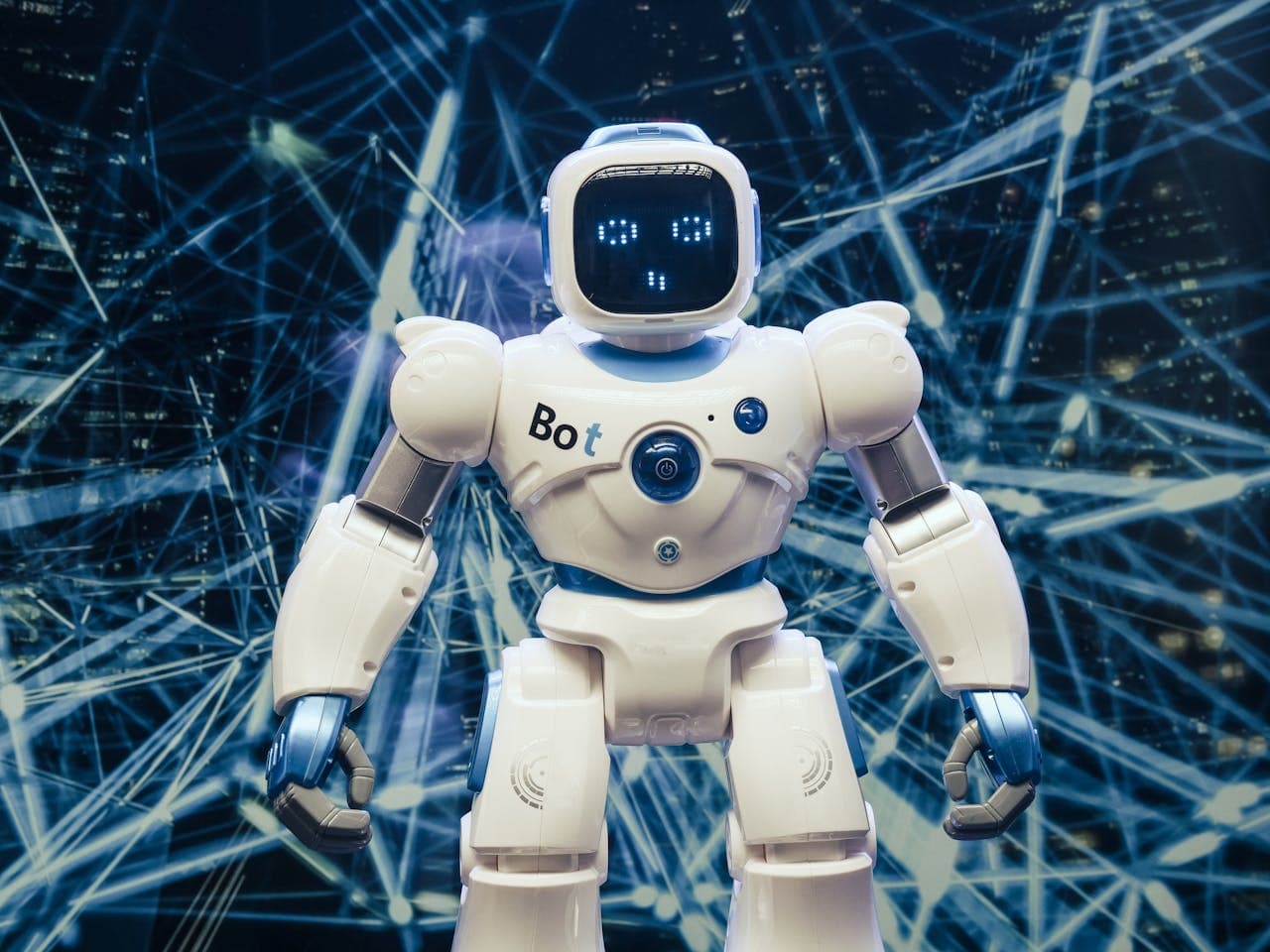
The Future of DePINs: AI Integration and What's Next for Decentralized Infrastructure
Decentralized physical infrastructure networks, or DePINs, are becoming more and more popular as a potential solution to the issues that traditional infrastructure systems are now having. The Internet of Things (IoT) and blockchain technology allow DePINs to create infrastructure networks that are more efficient, secure, and equitable. Artificial intelligence (AI) is predicted to have a major impact on the DePINs industry in the future.
When AI and DePINs collaborate, they may create a powerful synergy that solves issues and creates new opportunities. Numerous uses of AI can raise the efficacy, security, and long-term sustainability of DePINs. For example, AI can be used to detect cyberattacks, allocate resources optimally, foresee equipment issues, and personalize user experiences.
Several DePIN application use cases, including as supply chain management, smart cities, IoT networks, and decentralized energy grids, could be substantially enhanced by AI integration. However, using AI in DePINs raises additional ethical, security, and data privacy concerns.
To make the most of AI-powered DePINs, stakeholders must cooperate and set aside money for research and development. By confronting the barriers and grasping the potential, we may design a future where DePINs are even more effective, safe, and long-lasting.
AI-Powered DePINs: A Synergistic Relationship
The combination of AI and DePINs can create a powerful synergy, unlocking new possibilities and addressing existing challenges. AI can be used to enhance the efficiency, security, and sustainability of DePINs in several ways:
Predictive maintenance: In order to anticipate equipment breakdowns and maintenance requirements, AI algorithms may evaluate data gathered from IoT sensors. This allows DePINs to allocate resources optimally and minimize downtime. AI can assist DePINs in proactively scheduling maintenance, eliminating unanticipated failures and limiting service disruptions by tracking equipment performance and anticipating possible problems. DePIN dependability may increase as a result, and considerable cost savings may result.
Optimized resource management: AI can be utilized to optimize resource allocation and management inside DePINs, resulting in increased performance and efficiency. AI systems, for instance, may evaluate real-time data on energy supply and demand in decentralized energy grids to balance the system and stop power outages. Artificial intelligence (AI) can optimize packet routing in decentralized communication networks to reduce latency and guarantee effective data delivery. DePINs can optimize their resource utilization and offer better services to users by utilizing AI.
Enhanced security: By identifying and stopping cyberattacks, artificial intelligence (AI) can improve the security of DePINs. Artificial intelligence (AI) algorithms are able to anticipate possible risks including denial-of-service attacks, unauthorized access, and data breaches by analyzing network traffic and recognizing irregularities. DePINs can preserve system integrity, safeguard critical data, and guarantee ongoing operations with the aid of this proactive strategy.
Improved user experience: By offering tailored assistance and suggestions, AI can improve the DePIN user experience. Artificial intelligence (AI)-driven chatbots can provide users with personalized support by responding to inquiries, resolving problems, and offering advice. Recommendation engines powered by AI can also make pertinent suggestions for goods, services, or information based on user behavior and preferences. The user experience and engagement with DePINs are enhanced by this tailored approach.
AI-Driven DePIN Use Cases
Several DePIN use cases can benefit significantly from the integration of AI:
Decentralized energy grids: Decentralized energy grid performance and efficiency can be greatly improved by AI. Artificial intelligence (AI) systems can assist in balancing the grid, minimizing power outages and guaranteeing a steady supply of electricity by evaluating real-time data on energy supply and demand. AI is also capable of anticipating equipment malfunctions, which enables proactive maintenance and minimizes downtime. AI can also optimize energy use by spotting inefficiencies and making recommendations for methods to increase energy efficiency. This can encourage sustainability and save energy expenditures.
Internet of Things (IoT) networks: AI can be used to manage and optimize IoT networks, ensuring data security, reliability, and efficiency.
Supply chain management: AI can be used to optimize supply chain operations, reducing costs, improving efficiency, and ensuring transparency.
Smart cities: AI can be used to create smarter and more sustainable cities by optimizing traffic flow, managing waste, and improving energy efficiency.
Challenges and Opportunities
While the integration of AI into DePINs offers significant benefits, it also presents several challenges:
Ethical considerations: The use of AI in DePINs raises ethical questions, such as the potential for bias in AI algorithms and the impact of AI on jobs and society.
Data privacy and security: The use of AI in DePINs raises concerns about data privacy and security. It is essential to ensure that data is collected and used ethically and responsibly.
Technical challenges: Integrating AI into DePINs requires overcoming technical challenges, such as ensuring compatibility between AI algorithms and DePIN infrastructure.
Despite these challenges, the potential benefits of AI integration into DePINs are significant. By addressing these challenges and capitalizing on the opportunities, we can create a future where DePINs are even more efficient, secure, and sustainable.
Conclusion
The integration of AI into DePINs is poised to play a pivotal role in shaping the future of decentralized infrastructure. By enhancing efficiency, security, and sustainability, AI can help DePINs address the challenges faced by traditional infrastructure systems and create a more equitable and sustainable future. As the DePINs industry continues to evolve, the integration of AI will be essential for unlocking the full potential of this transformative technology.
As the DePINs industry continues to evolve, it is essential for stakeholders to collaborate and invest in AI integration to realize the full potential of this transformative technology. By addressing the challenges and seizing the opportunities, we can create a future where DePINs are even more efficient, secure, and sustainable.